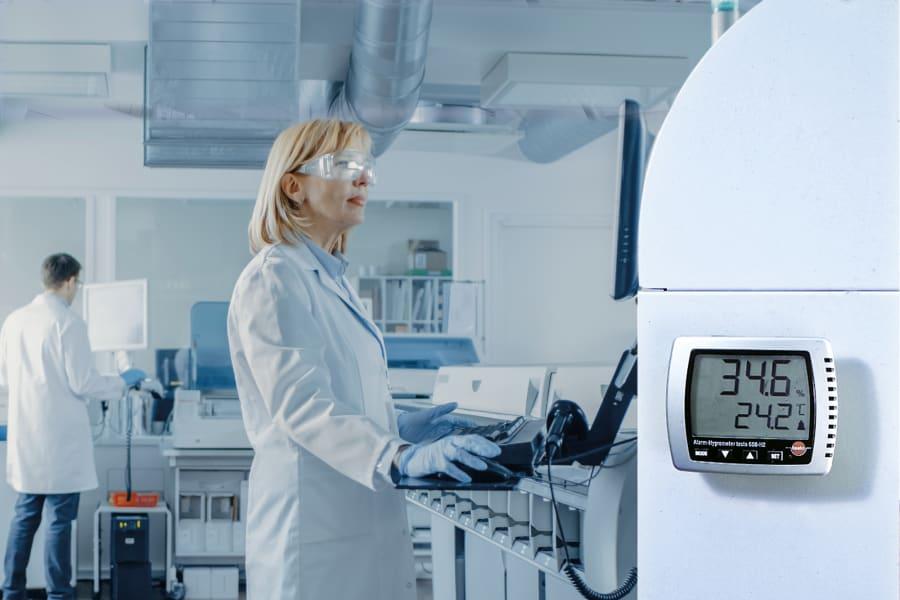
Two researchers follow the same protocol, use identical equipment, and examine comparable samples. Yet their measurements differ enough to raise questions about the experiment. The explanation may lie somewhere neither person initially considered: the laboratory environment itself. Scientists researching epitalon peptide for sale should recognize that material selection is only one component of experimental reliability. Temperature fluctuations, airflow, humidity, and lighting can influence certain laboratory processes. Understanding these environmental factors helps researchers distinguish meaningful scientific observations from changes introduced by their surroundings.
Understand Environmental Conditions Beyond Temperature
Temperature receives attention in laboratories, but it is rarely the only environmental variable worth considering. Humidity, airflow, vibration, and exposure to direct sunlight may also affect particular instruments or procedures. Their importance depends on the analytical method and materials involved. A research team should identify which conditions could influence its measurements instead of attempting to control everything equally. Reviewing equipment specifications and approved procedures provides a starting point. Environmental monitoring becomes more useful when researchers understand what a change could mean for their results.
Identify Differences Across Laboratory Zones
A laboratory may have one thermostat while containing several areas with different operating conditions. Workstations near windows, ventilation outlets, or frequently opened doors can experience variations that a centrally located sensor misses. Researchers should consider whether measurements need to reflect conditions at the actual point of work. Any additional monitoring should follow a documented purpose rather than convenience. Comparing observations from different locations can reveal whether environmental differences deserve attention. This helps prevent an average room reading from creating a misleading impression of uniform conditions.
Keep Material Verification Scientifically Separate
Supplier credibility and environmental reliability are two separate questions. Even when researchers investigate pura peptides FOXO4-DRI legit, they must independently assess whether their laboratory conditions support the intended measurements. Supplier documentation and local experimental conditions require separate assessments. Even material with supporting analytical records can produce difficult-to-interpret observations when the measurement environment is poorly characterized. Researchers should confirm the relevance of available product documentation while independently examining the conditions required by their approved methods. Keeping these responsibilities distinct helps teams investigate discrepancies without making unsupported assumptions about the supplier.
Monitor Conditions During Critical Procedures
A room measurement taken at the beginning of a shift may not represent conditions throughout an experiment. Equipment operation, changes in occupancy, or building ventilation schedules can alter the environment during longer sessions. Where environmental variation could affect results, laboratories should establish appropriate monitoring intervals and record meaningful deviations. These decisions must reflect the method rather than an arbitrary reporting schedule. Connecting observations to the relevant experimental period helps researchers determine whether an environmental change could reasonably contribute to an unexpected measurement or limitation.
Investigate Variations Without Immediate Conclusions
Suppose measurements differ between morning and afternoon sessions. It may be tempting to blame temperature because the room feels warmer later in the day. However, changes in instrument performance, staff procedures, or sample preparation could also explain the difference. Researchers should compare available records and examine plausible alternatives before identifying a cause. Additional checks may be appropriate under approved procedures. The objective is to establish whether environmental conditions contributed to the discrepancy, not simply choose the most convenient explanation for an unexpected result.
Include Environmental Details in Records
Experimental notebooks typically document materials, equipment, and observed outcomes, but environmental information may receive less attention. When room conditions are relevant to a method, researchers should preserve the associated monitoring records or references. Entries should indicate when observations were made and identify any known gaps in the data. This allows later reviewers to examine environmental context alongside measurement results. Documentation does not need to become unnecessarily complicated. It needs to capture information that could materially affect how an experiment is interpreted.
Adapt Controls as Research Changes
An environmental arrangement that supports one experiment may be inadequate for another. New instruments, revised procedures, or changes to laboratory layout can introduce different sensitivities. Research teams should reassess relevant conditions when these changes occur rather than assuming earlier monitoring decisions remain sufficient. Staff observations can also identify areas that deserve evaluation. A structured review helps determine whether existing controls remain appropriate and whether additional records are necessary. Environmental management works best as an evolving part of research quality, not a fixed checklist.
Conclusion
The room rarely receives credit for a successful experiment, yet its conditions can influence the observations researchers collect. A forgotten ventilation change or temperature fluctuation may eventually explain a puzzling difference between sessions. For research involving materials sourced from purapeptides.com, environmental records should be interpreted alongside the experimental evidence whenever conditions are relevant to the method. The next unexpected finding may not require a new hypothesis or a different substance. It may require a closer look at the surroundings everyone assumed were constant.