Introduction
Proteins are a large group of molecules that support cell structure, immune function, movement, chemical reactions, and hormone secretion. They are all small building blocks called amino acids. Nine of these are essential–meaning your body needs them but can’t make them on its own, so you need to have them in your diet.Not only is protein important for your health, but eating it can make you feel full and satisfied, which supports your healthy body weight.
The Recommended Dietary Allowance (RDA) for protein is set at 0.36 grams (g) of protein per kilogram of body weight (0.8 grams per kilogram). Remember, this reflects the minimum amount of protein your body needs to meet its needs.
Read More -: Vitamin C Benefits
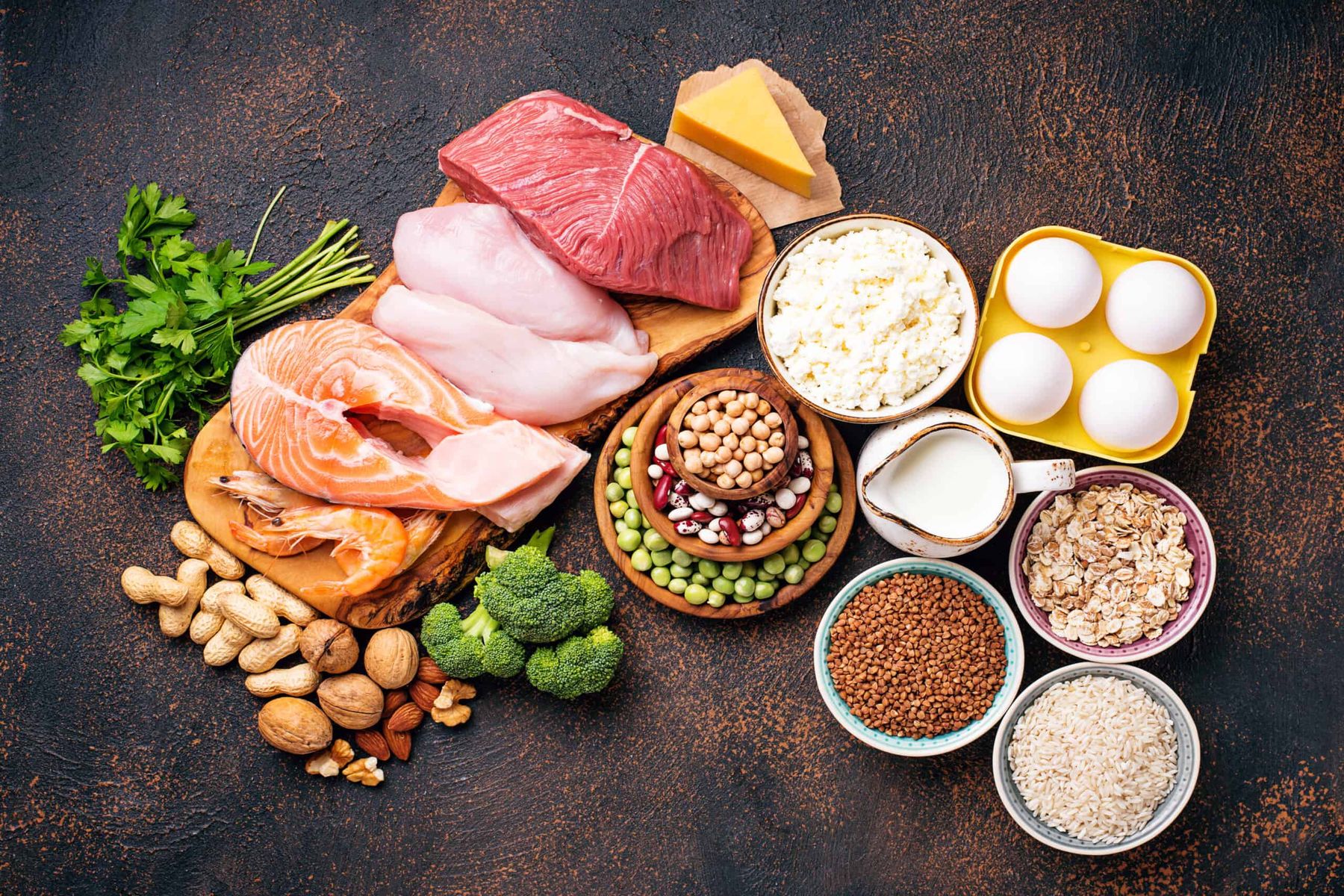
Here are 16 delicious, high-protein recipes:
1. Eggs
Whole eggs are a good source of protein that is easy to absorb, as well as a good source of vitamins, minerals, healthy fats and antioxidants. Remember that most egg whites are pure protein, but whole yolks provide more nutrients like vitamins, minerals, antioxidants and healthy fats.
2. Almonds
Almonds are a healthy tree fruit that contains essential nutrients such as fiber, vitamin E, manganese and magnesium. Plant protein is also high. Eating almonds can benefit your health in many ways, including reducing heart disease risk factors like high LDL (bad) cholesterol and high blood pressure.
3. Chicken breast
If you are trying to increase your protein intake, chicken breast is a good choice. In addition to protein, chicken also provides B vitamins and minerals such as zinc and selenium.
4. Cottage cheese
Cottage cheese is a type of cheese that is low in fat and calories but high in protein. It contains calcium, phosphorus, selenium, vitamin B12, riboflavin (vitamin B2), and various other nutrients.
5. Greek yogurt
Greek yogurt, also known as stressed yogurt, is a very thick protein-rich yogurt.It has a creamy texture and is a good source of many nutrients like calcium, vitamin B12, vitamin A, selenium and zinc.
Read More -: Vitamin B Benefits
6. Milk
Breast milk contains a little bit of almost every nutrient your body needs. It is a good source of high-quality protein, and is rich in vitamins and minerals such as calcium, phosphorus and riboflavin (vitamin B2). Lactose Intolerance Many people are intolerant to milk and other dairy products and avoid many dairy foods.
7. Lentils
If you are a vegetarian or vegan, lentils are a great option as they are one of the best plant-based sources of protein. Additionally, they contain a variety of other beneficial nutrients such as fiber, folate, magnesium, potassium, iron, copper, and manganese. Research indicates that individuals who regularly include lentils and other legumes in their diet are less likely to develop health issues such as heart disease and fatty liver disease.
8. Lean beef
Lean beef provides a high amount of protein. It is also rich in easily absorbable iron, zinc, selenium, and vitamins B12 and B6. Red meat is okay to include in a balanced diet, just be sure to limit how much you consume. Eating large quantities of red meat has been associated with an increased likelihood of developing specific health issues, such as colorectal cancer. Consider reducing your consumption of red meat in favor of incorporating more plant-based protein, fish, and poultry into your diet on a regular basis.
9. Fish
Fish is a great protein source and contains essential vitamins and minerals such as iodine, selenium, and vitamin B12. Individuals who consume a high amount of fish in their diet generally it reduced likelihood of developing health issues such as heart disease and type 2 diabetes. Additionally, oily fish such as salmon and herring contain high levels of omega-3 fatty acids, which provide strong advantages for your general well-being, including promoting heart health.
10. Quinoa
Quinoa contains high amounts of fiber, folate, copper, iron, and zinc, and it has a greater protein content compared to most grains. Quinoa is commonly known as a complete protein as it includes all nine essential amino acids that the body cannot produce independently. Nevertheless, it actually lacks adequate levels of specific amino acids, such as leucine.
11. Protein powders
Protein powder can be useful when you are short on time and can’t cook a meal. Adding protein powders such as whey and pea protein to shakes, smoothies, energy balls, yogurt, and other foods is a simple way to boost protein content and enhance feelings of fullness.
If you need a reliable urologist in Jaipur, Dr. Saurabh Jain at Jaipur Uro is the right choice. Dr. Saurabh Jain has vast experience in treating a range of urological conditions and is dedicated to offering individualized care to every patient. He is knowledgeable in kidney stones, urinary tract infections, and prostate problems. Patients at Jaipur Uro receive advantages from cutting-edge diagnostic methods and the most current treatment choices, guaranteeing the best results. Dr. Saurabh Jain places importance on patient comfort and education, aiding patients in comprehending their conditions and treatment plans. To receive trustworthy and empathetic urological treatment in Jaipur, book an appointment with Dr. Saurabh Jain now. Your expertise is entrusted with your health!
Our Services –
Kidney Transplant Surgeon in Jaipur
Kidney Stone Treatment in Jaipur
Urinary Bladder Cancer Treatment in Jaipur
Prostate Enlargement Treatment in Jaipur
Prostate Laser Treatment in Jaipur
Female Urology Treatment in Jaipur
Urinary Bladder Stone Treatment in Jaipur
Erectile Dysfunction Treatment in Jaipur
Kidney Stone Laser Treatment in Jaipur
Urethral Stricture Treatment in Jaipur
UTI Treatment in Jaipur = UTI Page
Urinary Tract Infection Treatment in Jaipur
Stricture Laser Surgery in Jaipur
Bladder Cancer Laser Surgery in Jaipur
Kidney Cancer Treatment in Jaipur
varicocele treatment in Jaipur
Infertility Doctor Treatment in Jaipur
Robotic Vesicovaginal Fistula Repair in Jaipur
12. Ezekiel bread
Ezekiel bread sets itself apart from the majority of breads. It consists of organic and sprouted millet, barley, spelt, wheat, soybeans, and lentils, which are whole grains and legumes. Ezekiel bread contains more protein, fiber, and essential nutrients than other breads, such as white bread.
13. Pumpkin seeds
Pumpkin seeds provide essential minerals such as iron, phosphorus, magnesium, and zinc. Additionally, they are packed with plant-derived protein and fiber. Experiment by incorporating pumpkin seeds into salads, baked goods, oatmeal, or yogurt, or combine them with unsweetened dried fruit and almonds for a quick snack option.
14. Turkey breast
Turkey breast is primarily composed of protein, containing minimal fat and calorie content. It additionally includes various vitamins and minerals such as selenium, zinc, and vitamins B12 and B6.
15. Shellfish
Shrimp, oysters, clams, and scallops are all great sources of protein. In addition, shellfish provide beneficial fats and several vitamins and minerals such as selenium, zinc, vitamin B12, and iron.
16. Peanuts and peanut butter
Peanuts and peanut butter are rich in nutrients such as protein, folate, magnesium, and vitamin E. Consuming peanuts and peanut butter can help increase feelings of fullness because of their abundance of protein. Studies have demonstrated that incorporating peanut butter into a high carbohydrate meal can potentially lower post-meal blood sugar spikes.
Frequently asked questions
What foods are very high in protein?
Sources of protein that tend to have the highest amounts are usually lean meat, poultry, and seafood. However, protein can also be obtained from eggs, legumes, nuts, seeds, and soy-based items.
How can I get 100-150g of protein a day?
By selecting high-protein foods for every meal, you can achieve a daily intake of 100g of protein. This may involve Greek yogurt, chicken breast, and a salmon fillet. Peanuts, beans, and tofu are plant-based options that can assist you in achieving your objective.
How can I eat more protein?
Eating high protein foods like lean meat, poultry, seafood, dairy products, or eggs at every meal can help increase your protein intake. Beans, legumes, nuts, and seeds are plant-based protein sources that can also be included in your diet.
Conclusion
Consuming sufficient protein every day is crucial for maintaining good health. The protein requirements of individuals differ. Nevertheless, it is advised by professionals that individuals who are highly active should intake between 0.54 and 0.9 grams of protein for every pound of their body weight (equivalent to 1.2 to 2 grams per kilogram) on a daily basis. Luckily, there are numerous options of high protein foods available, such as animal and plant-based sources.