Introduction
An active life does not end with limb loss. It evolves, adapts, and finds a new rhythm. But it requires the right support to move forward with confidence.
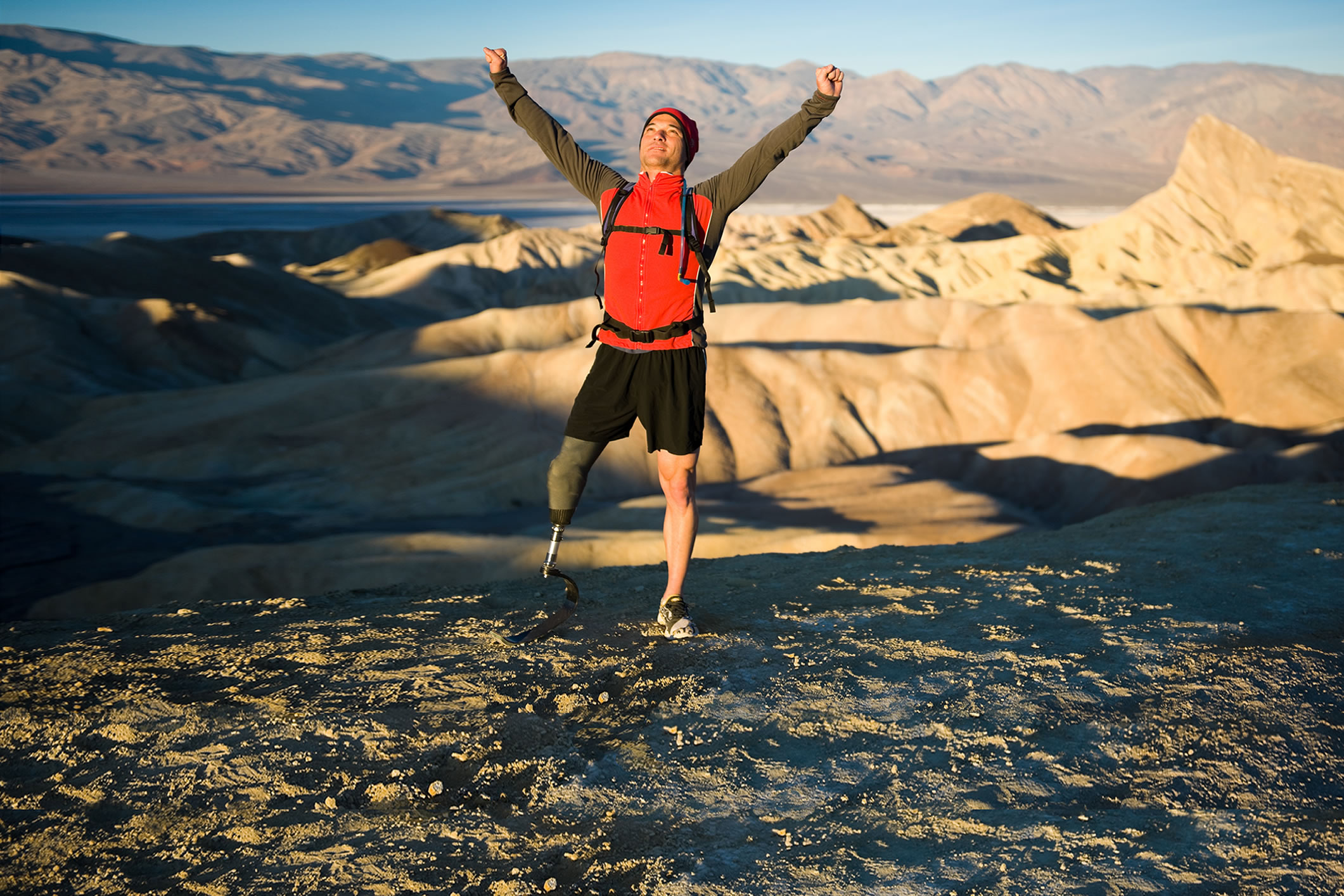
For athletes and highly active individuals, movement is more than motion. It is identity. And the right prosthetic care makes that freedom possible again. Modern advancements in prosthetic technology have redefined what is possible. Running, hiking, cycling, competitive sports, everyday performance — none of it is out of reach anymore. What once felt limiting now feels achievable… and sustainable.
With expert assessment as part of prosthetic services, advanced components, and ongoing support, active patients can return to high performance safely and confidently.
Ways Prosthesis Clinics Support Athletes or Active Patients
Specialized Sports Prosthetics
Standard limbs are made for daily walking. They do not handle the high stress of running or jumping well. Sports prosthetics are different. They use materials like carbon fiber. It is strong, lightweight, and engineered for energy return. A clinic helps you choose a device based on your sport. For example, a runner needs a blade. This blade acts like a spring. It returns energy to the runner. A swimmer needs something else entirely. They need a fin or a waterproof limb. The clinic evaluates how you move. They look at the forces your body creates and then they design a device engineered to withstand high-impact stress.
Expert Fitting and Alignment
A prosthetic limb must fit perfectly. If the fit is bad, the athlete will feel pain. Clinics spend a lot of time on the socket. The socket is where your body meets the device. It must be snug but comfortable. If it is loose, it will chafe the skin. Experts use special tools to measure your limb. They might use 3D scanners. They also check the alignment. This means they make sure the limb sits straight. If the alignment is off, you might trip. A small change in angle makes a big difference. It can improve your speed. It can also prevent long-term injuries to your back.
Customization for Specific Activities
Every sport requires a unique movement. A golfer needs to rotate their hips. A cyclist needs to clip into a pedal. A prosthetic clinic works to customize these parts. They might add a special ankle joint. This joint allows for more rotation. Some patients want to do multiple sports. In these cases, the clinic might provide interchangeable parts. This flexibility is great for active people. It allows them to live without limits. If you live in a big city, you might look for a prosthesis clinic to start this process. They have the tools to make these custom changes happen.
Gait Training and Physical Therapy
Getting a new limb is just the first step. You have to learn how to use it. This is called gait training. Clinicians provide structured gait training and collaborate with rehabilitation teams to refine movement mechanics. Your core is very important for balance. The clinic provides exercises to help you get stronger and also teach you how to fall safely. This is important for contact sports. Here are some things they focus on:
-
Building core strength for balance.
-
Improving the swing of the limb.
-
Learning to distribute weight evenly.
-
Developing trust in the device.
-
Practicing lateral movements for agility.
-
Increasing cardiovascular endurance over time.
-
Mastering the transition from walking to running.
Advanced Technology and Innovation
The world of prosthetics changes fast. New designs come out every year. Clinics stay updated on these changes. They offer the latest technology to their patients. Microprocessor-controlled ankles and feet use sensors to adjust resistance in real time. This is very helpful for hiking on uneven trails. Imagine walking up a steep hill without struggling. Technology makes this possible. The clinic acts as a bridge between the makers and the users. They stay current with emerging technologies and evidence-based advancements.
Maintenance and Repairs
Sports gear breaks down over time. Athletes put a lot of wear on their limbs. A runner might crack a blade. A mountain biker might damage a joint. Clinics provide regular check-ups and they look for signs of stress or wear. It is better to fix a small crack early. This keeps the athlete safe. They also adjust the fit as the body changes. Your residual limb might shrink or grow which happens when you gain muscle. The clinic will adjust the socket to keep it tight. Maintenance is a lifelong process for any active person. If you are looking for help, you might search for a prosthetic in Oklahoma City expert to handle these repairs.
Psychological Support and Motivation
Losing a limb is a hard emotional journey. Many athletes feel lost at first. They wonder if they will ever compete again. The staff at a clinic provides more than medical care. They offer hope and encouragement. They often connect new patients with mentors. Seeing someone else run with a blade is very inspiring. It shows that life goes on. Clinics celebrate the wins of their patients!
Conclusion
Active patients face unique challenges every day. They need gear that can keep up with their energy. A prosthesis clinic is a partner in this mission. These centers provide the tech and the training needed to win. They help people return to the field or the track. From fitting to repairs, the work never truly stops. Every adjustment brings an athlete closer to their personal best. It is a journey of many small steps. With the right team, any goal is within reach. People should feel confident in their ability to move. Technology and care come together to create new possibilities. It is important to find the best prosthetic services.